Find Disposable Dental Oral Sterilization Bag for Clinics, Hospitals and Labs
Browse 30 listings of the disposable dental oral sterilization bag and compare sizes such as 57x100mm and 90x230mm, materials like medical dialysis paper with CPP/PET film, heat-sealing or self-sealing options, CE-certified suppliers, MOQs from 1 to 10,000, and sample availability before requesting quotes.
Key considerations
Products List





Comprehensive Sourcing Guide
Disposable Dental Oral Sterilization Bag Sourcing Guide
Procuring disposable sterilization bags for dental and oral health departments requires a precise understanding of material integrity, sealing reliability, and regulatory compliance. These consumables are critical for maintaining aseptic conditions during the sterilization of dental instruments, ensuring that tools remain sterile from the autoclave or sterilizer until the moment of patient use. Buyers must navigate a market where product attributes vary significantly, ranging from basic paper-plastic pouches to more complex composite packaging solutions designed for specific sterilization methods.
The sourcing process involves evaluating multiple dimensions, including the raw materials used, the sterilization method compatibility, and the specific dimensions required for various dental instruments. With observed listings indicating a wide range of sizes and materials, buyers need to establish clear technical requirements before engaging with suppliers. This guide provides a structured approach to evaluating suppliers, verifying technical specifications, and ensuring that the selected sterilization bags meet the rigorous standards of modern dental clinics and hospitals.
Product Scope and Observed Listing Signals
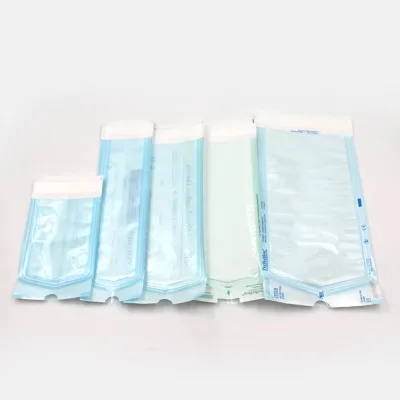
The market for disposable dental sterilization bags encompasses a variety of product types, primarily identified as sterilization pouches, self-sealing bags, and medical protective mask bags. Observed listings indicate that these products are often categorized under shared instrument equipment or disposable medical supplies, with applications extending beyond dental departments to include hospitals, clinics, laboratories, and beauty salons. The product nature is consistently described as disposable, emphasizing single-use protocols to prevent cross-contamination and ensure patient safety.
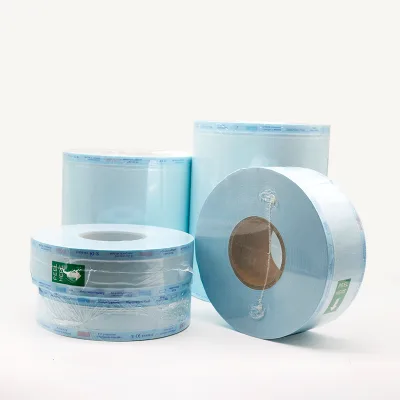
Key attributes observed in current listings include the use of materials such as plastic, medical dialysis paper, and CPP/PET compound films. These materials are chosen for their ability to withstand high temperatures and pressures during sterilization while maintaining a microbial barrier. The bags are typically designed with a back-seal or heat-sealing mechanism, ensuring a secure closure that prevents contamination. Buyers should note that customization options, including logo printing and specific size requirements, are frequently available, allowing clinics to tailor packaging to their branding and instrument needs.
Technical Specifications to Verify
Material composition is the most critical technical factor to verify, as it directly impacts the bag’s ability to allow sterilizing agents to penetrate while blocking microorganisms. Common materials include medical dialysis paper combined with CPP or PET compound films, which offer a balance of breathability and strength. Buyers must confirm the specific material layers and their respective functions, ensuring that the paper side is compatible with the chosen sterilization method, whether it be ethylene oxide (EO) or steam autoclaving. The presence of composite packaging processes can also influence the bag’s durability and sealing integrity.
Size and dimensional specifications vary widely, with observed ranges including dimensions such as 57x100mm, 90x230mm, and others up to 90x260mm. It is essential to match the bag size to the instruments being sterilized, ensuring that there is sufficient space for proper steam or gas circulation without excessive empty volume that could compromise the seal. Additionally, buyers should verify the sealing method, typically heat-sealing, and ensure that the equipment used in the clinic is compatible with the bag’s sealing requirements. The quantity per carton and packing details, such as carton or paper box packaging, also impact storage and handling logistics.
Compliance and Safety Documentation
Regulatory compliance is non-negotiable for medical sterilization products, with CE certification being a common requirement for products sold in many international markets. Buyers must verify that the supplier holds valid CE certification and, where applicable, ISO 13485 quality management certification for medical devices. These certifications indicate that the manufacturer adheres to strict quality control processes and regulatory standards, reducing the risk of product failures that could compromise patient safety. Documentation should be current and verifiable, with clear references to the specific product models covered.
Standards such as ISO 11607 and EN 868 are critical for packaging materials used in final sterilization of healthcare products. These standards define the requirements for materials, sterile barrier systems, and packaging systems, ensuring that the bags provide a reliable microbial barrier. Buyers should request evidence of compliance with these standards, including test reports or declarations of conformity. Additionally, the sterilization method compatibility, such as EO sterilization, should be explicitly stated and supported by relevant testing data to ensure that the packaging does not degrade or release harmful substances during the sterilization process.
Cost Drivers and Commercial Terms
Pricing for disposable sterilization bags is influenced by several factors, including material quality, customization requirements, and order volume. Observed price ranges can vary significantly, reflecting differences in material composition and production complexity. Buyers should expect lower prices for standard, non-customized bags in high volumes, while customized options with specific logos or sizes may incur additional costs. Understanding these cost drivers helps in budgeting and negotiating favorable terms with suppliers.
Minimum Order Quantities (MOQs) are another key commercial term, with observed ranges starting from as low as one unit up to 10,000 units. Suppliers may offer sample units for quality evaluation, which is a recommended step before committing to large orders. Buyers should clarify the MOQ requirements and any associated costs, such as shipping or handling fees, to avoid unexpected expenses. Payment terms, lead times, and return policies should also be discussed and documented in the purchase agreement to ensure a smooth procurement process.
Supplier Qualification and Quality Control
Supplier qualification involves assessing the manufacturer’s production capabilities, quality control processes, and track record. Buyers should verify the supplier’s location, with many manufacturers based in regions such as Wuhan, Hebei, and Anhui in China, and ensure that they have the necessary infrastructure to produce high-quality sterilization bags. Requesting information about the manufacturing process, including composite packaging techniques and quality assurance protocols, can provide insight into the supplier’s reliability and consistency.
Quality control measures should include regular testing of the bags for seal integrity, microbial barrier effectiveness, and material durability. Buyers should inquire about the supplier’s testing procedures and whether they conduct internal or third-party testing to validate product performance. Additionally, asking for references or case studies from other dental clinics or hospitals can help assess the supplier’s reputation and the real-world performance of their products. Establishing a clear communication channel for addressing quality issues or returns is also essential for long-term partnership success.
Long-Term Procurement Checks
Long-term procurement success depends on continuous monitoring of product quality and supplier performance. Buyers should establish a system for tracking defect rates, customer feedback, and any incidents related to sterilization failures or packaging breaches. Regular audits of the supplier’s quality control processes and compliance documentation can help identify potential issues early and ensure that the supplier remains aligned with regulatory requirements. This proactive approach minimizes risks and maintains the integrity of the sterilization process.
As technology and regulations evolve, buyers must stay informed about changes in standards such as ISO 11607 or EN 868, which may impact product specifications or compliance requirements. Engaging with suppliers to discuss future product developments, such as new materials or improved sealing technologies, can help keep the procurement strategy competitive and effective. Building a strong relationship with the supplier, based on transparency and mutual trust, facilitates smoother negotiations and ensures a reliable supply of high-quality sterilization bags for dental and oral health applications.
FAQs
What certifications do these sterilization bags have?
These bags typically hold CE certification and comply with ISO 13485 quality standards. Some products also meet ISO 11607 and EN 868 standards for medical packaging. This ensures they are suitable for hospital and dental clinic use. Buyers should verify specific certificates with suppliers before ordering to ensure regulatory compliance in their region.
What materials are used to make these pouches?
The pouches are made from medical dialysis paper and CPP or PET compound film. This composite material allows for effective sterilization while maintaining sterility. The plastic components ensure durability during handling. The design supports heat-sealing methods for secure closure. This combination is standard for disposable medical protective bags in clinical settings.
Can these bags be customized with a logo?
Yes, customized printing and logo application are available for these sterilization bags. Suppliers often accept OEM requests for branding purposes. This allows clinics and hospitals to display their identity on the packaging. Buyers should confirm printing options and minimum order quantities with the manufacturer to ensure the customization meets their specific branding requirements.
What are the common sizes for these sterilization pouches?
Common sizes include 57x100mm, 90x230mm, and 70x260mm. Various dimensions are available to fit different dental instruments. The standard specifications cater to diverse clinical needs. Buyers can select sizes based on the instruments they intend to sterilize. It is important to check the exact size chart provided by the supplier to ensure compatibility with their equipment.
How are these bags sealed and sterilized?
These bags use heat-sealing methods for secure closure. They are designed for EO sterilization methods. The self-sealing feature ensures a tight barrier against contaminants. This process maintains the sterility of the instruments inside. The bags are intended for single-use applications in dental and medical environments. Proper sealing is crucial for maintaining the integrity of the sterilization process.
What is the typical MOQ for these products?
The minimum order quantity varies, often starting at 10 boxes. Some suppliers may accept lower MOQs for sample orders. Bulk orders typically have different pricing tiers. Buyers should inquire about the specific MOQ requirements with the supplier. Understanding the MOQ helps in planning inventory and managing procurement costs effectively for dental clinics and hospitals.